

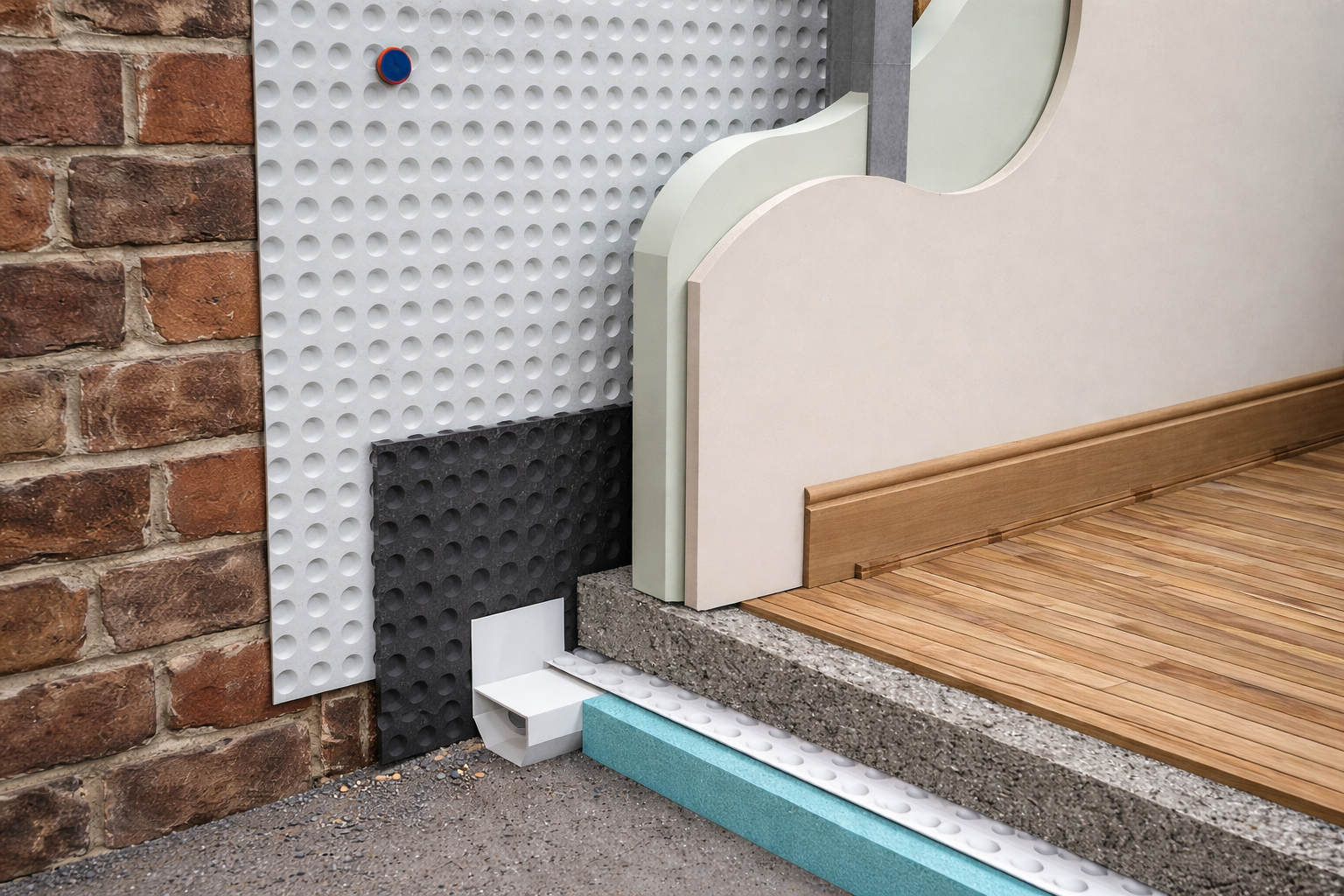
Basement Waterproofing
& Tanking
Stop Water Entering Your Basement Permanently
Specialist basement waterproofing and tanking systems designed to control groundwater and protect your property long-term.
✓ CSSW Qualified Surveyors
✓ Insurance-backed guarantees
✓ Covering the north-west since 2020
✓ For Homeowners, Landlords & Estate Agents
Response within 24 hours · No obligation
How We Waterproof Basements
Step 1
Survey & Diagnosis
A CSSW-qualified surveyor identifies the source of water ingress and pressure.
Step 2
System Design
We design the correct waterproofing system for the structure and ground conditions.
Step 3
Professional Installation
Tanking, drainage and pump systems installed with long-term guarantees.
Basements We Waterproof
Victorian cellars with rising groundwater
Older homes without damp-proof courses
Properties with external ground above floor level
Failed tanking systems
Basement conversion projects
Rental properties needing compliance


Signs Your Basement Needs Waterproofing
Water problems below ground rarely fix themselves. If you notice any of the following, a waterproofing system may be required.
Water enters after heavy rainfall
Basements that take on water during storms usually lack proper waterproofing or drainage.
Damp patches on basement walls or floors
Moisture appearing below ground level often indicates groundwater pressure.
White salt deposits on masonry (efflorescence)
Powdery deposits show water is moving through the brick or concrete.
Peeling paint or crumbling plaster
Moisture behind finishes causes materials to break down over time.
Musty smells or persistent damp air
A constant damp smell often means moisture is trapped in the structure.
Our Waterproofing Systems
-
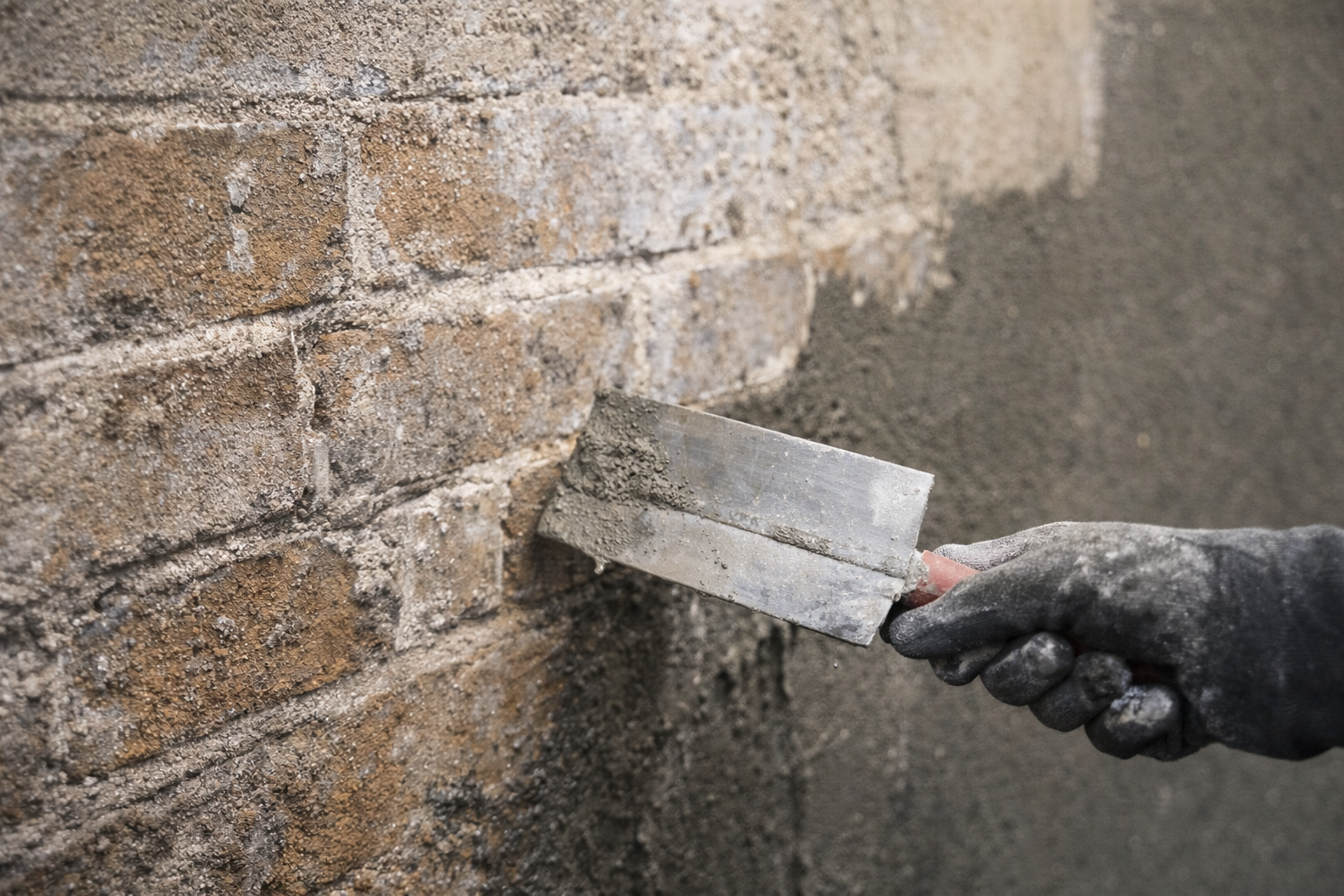
Cementitious Tanking
Barrier protection applied directly to masonry.
-
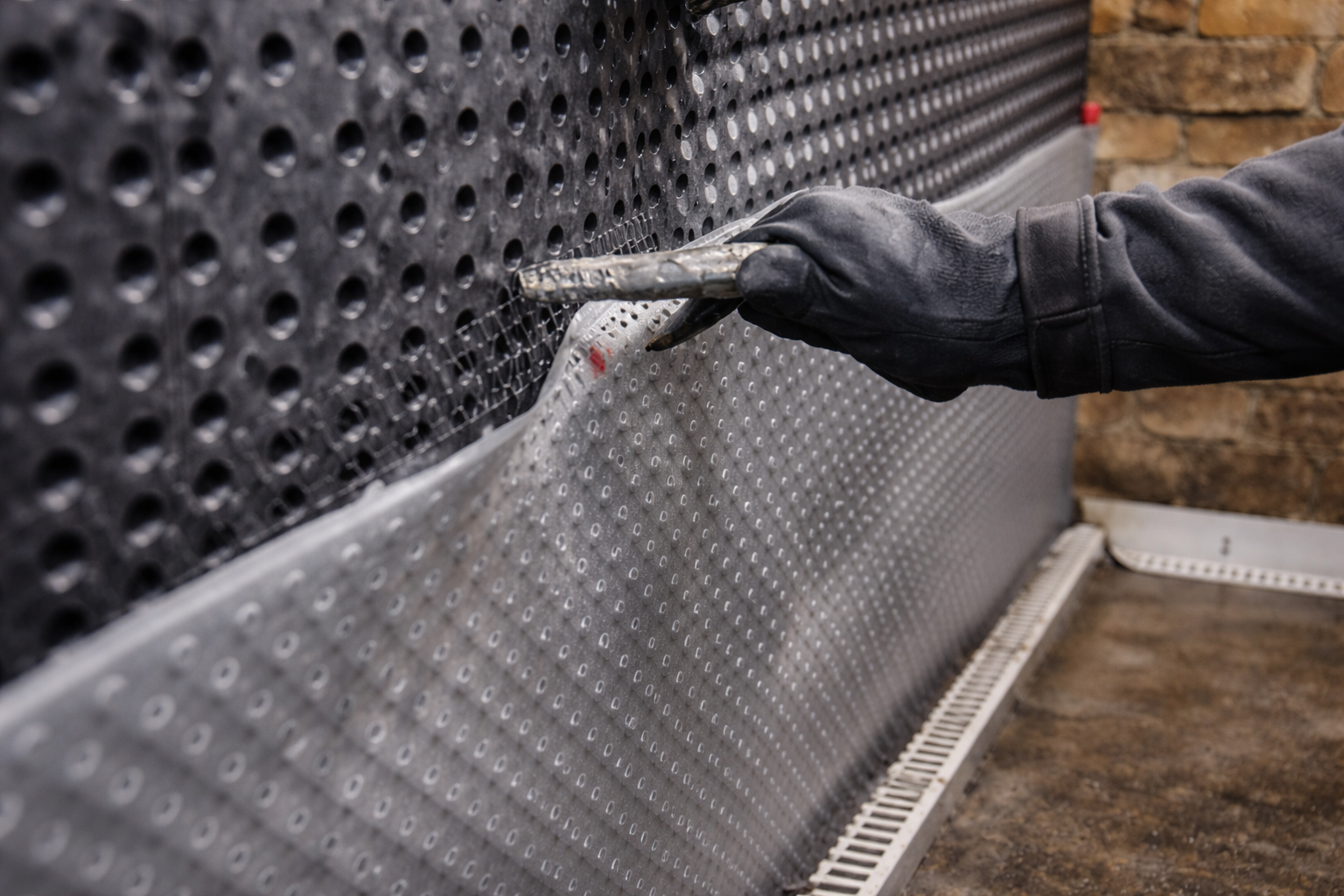
Cavity Drain Membrane
Water is controlled safely behind internal linings.
-
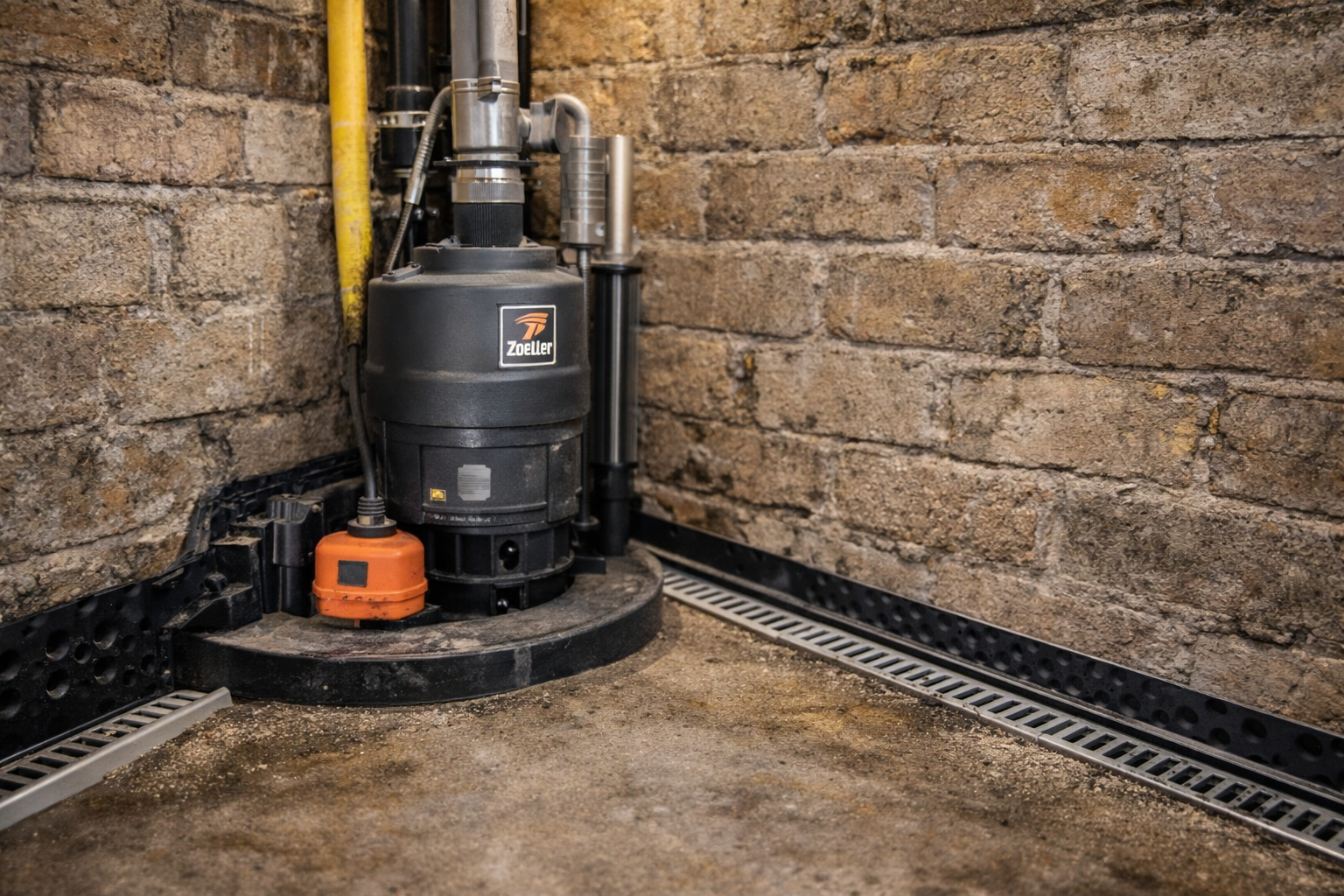
Sump Pumps & Drainage
Captures and removes water from the structure.
-

Basement Conversions
Waterproofing built into habitable basement spaces.
Stop Water Below Ground
Basement Waterproofing North West
Patching will not solve pressure.Correct system design will. We assess the structure and install the appropriate tanking or drainage system.
Your Questions, Answered
-
Basements sit below ground level and are exposed to hydrostatic pressure.
When groundwater builds up around the structure, it pushes against walls and floor junctions until it finds a weakness.The damp patch is a symptom.
The waterproofing system is the issue. -
Not every basement requires full cement tanking.
Some structures perform better with cavity drain membrane systems and sump pumps that safely manage water rather than block it.
Correct system selection depends on:
• Ground conditions
• Structure type
• Intended use of the spaceThis is determined during a survey.
-
When correctly specified and installed, structural waterproofing systems are designed for long-term protection.
Failures usually occur when:
• The wrong system is chosen
• Hydrostatic pressure is underestimated
• Drainage is not incorporatedSystem design is more important than the material itself.
-
Work is contained to the affected area.
Installation may involve:• Removing existing finishes
• Installing membrane systems or tanking
• Fitting drainage channels and pumpsWe explain the process clearly before work begins.
-
Common signs include:
• Damp returning in the same area
• Blown plaster
• Efflorescence (white salt deposits)
• Hollow or cracked coatingsRigid coatings often fail over time under pressure.