


Damp Proofing Specialists
Rising Damp Treatment & Damp Surveys | North West England
If damp keeps coming back in the same area of a wall, it is usually moisture moving through the structure rather than surface condensation.
At WaltBray we carry out damp surveys across North West England to find out whether a damp proof course is actually needed before any treatment is suggested.
Many homes are injected or replastered when they never required damp proofing.
Others are painted over and the marks return months later.
Proper damp treatment starts with understanding where the moisture is coming from
When Damp Proofing Is Actually Required
Recognising True Rising Damp
Lower wall only
The damp stops around knee height and stays in the same place year-round.
Damaged Plaster
The wall surface breaks down and decorations won’t stay stuck.
Timber Decay
Skirting boards soften or crumble even after repainting.
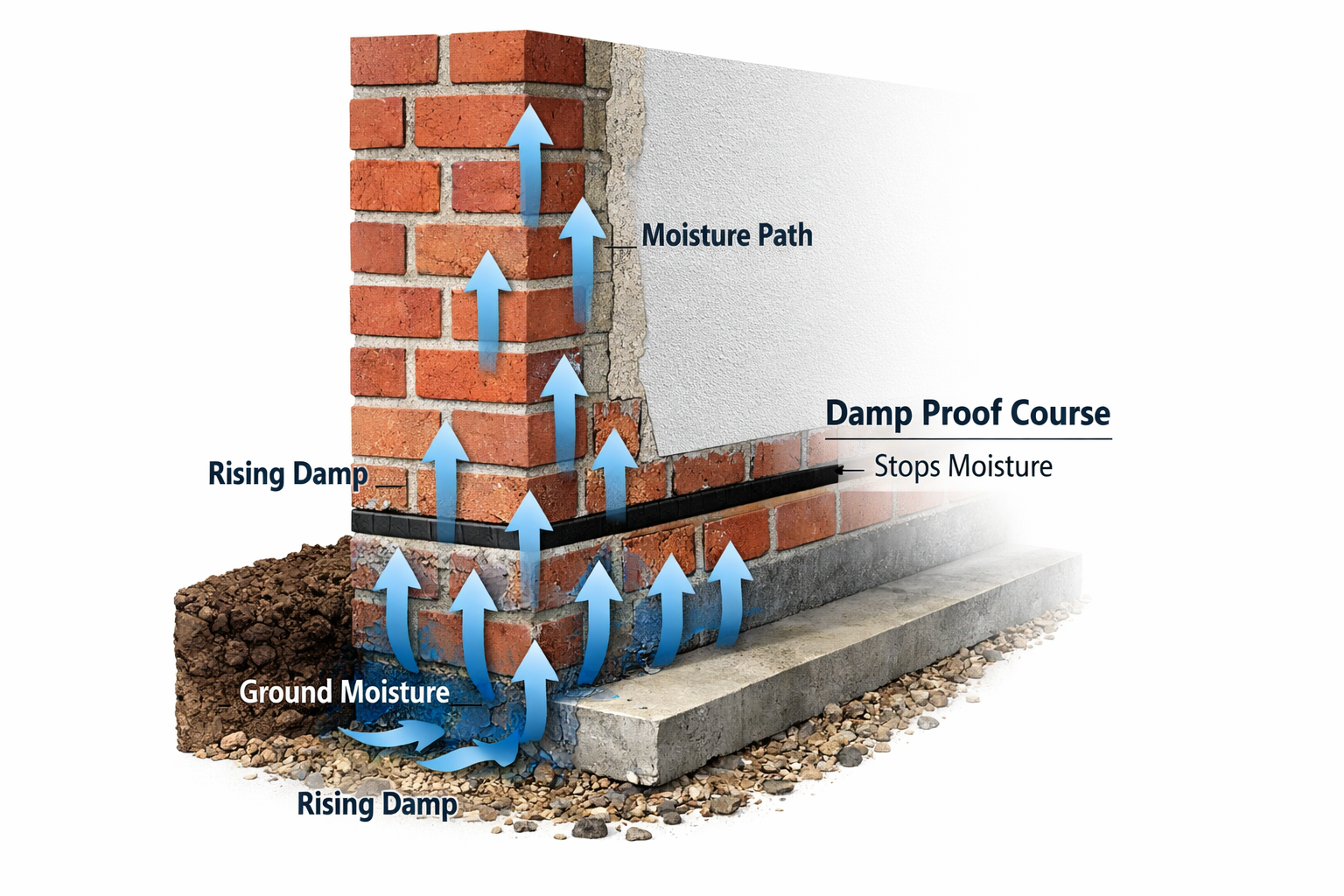
What Causes Rising Damp?
Moisture is always present in the ground around your property. Walls naturally draw this moisture upward like a wick. A damp proof course is the barrier that prevents it from rising further. When that barrier fails or is bypassed, the wall slowly loads with moisture.
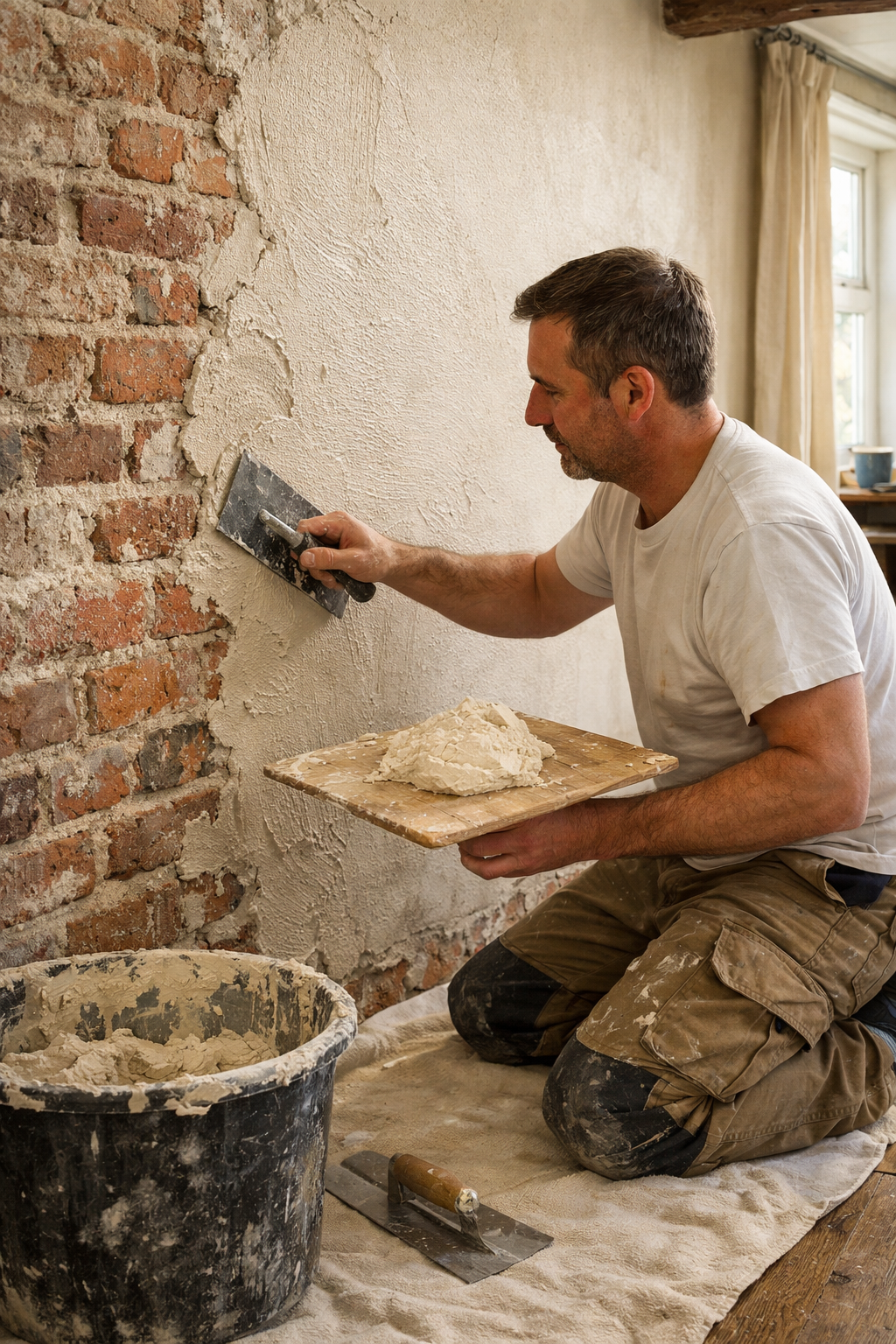
The Correct Process
Install a new damp-proof course
A barrier is formed within the mortar join to stop moisture rising.

Remove contamination
Salts left in plaster continue attracting moisture after drying.
Allow the wall to breathe
The replacement finish lets trapped moisture escape naturally.
Controlled Drying
The building dried gradually instead of being sealed.
Properites We Regularly Treat
Victorian Terraces
1930s semi-detached homes
Solid wall properties
Rental & renovation properties
Extensions built without
original DPC alignment
Common across Manchester, Liverpool, Warrington,
Wigan, Bolton and surrounding North West areas.

Book a
Damp Survey
WaltBray Damp Proofing
North West England
If damp keeps returning,
guessing is expensive.
We will identify the type of damp present, confirm whether a damp proof course is needed and explain the correct repair.
Your Questions, Answered
-
Rising damp normally stays at low level and does not move around the room.
Condensation appears higher up, often around windows, corners or behind furniture and is usually worse in colder months.
A damp survey confirms the difference because the treatment required is completely different. -
No. Many properties diagnosed with rising damp actually have condensation or penetrating moisture instead.
We only recommend installing a damp proof course when testing shows moisture is travelling upward through the wall structure. -
If the correct cause is treated, it should not return.
Recurring damp problems usually happen when the source was misdiagnosed or contaminated plaster was left in place.
Stopping the moisture pathway permanently prevents the marks reappearing. -
The wall begins drying immediately after treatment but full drying depends on wall thickness and moisture levels.
Most walls visibly improve over a few weeks, with gradual stabilisation over several months as trapped moisture evaporates naturally. -
There is some disruption because affected plaster needs to be removed and replaced.
We keep work contained to the treated areas and most rooms remain usable during the process.